Published June 5, 2025
Aso-Ebi in 2025: Costs, Etiquette, and Whether You Actually Need It
Aso-ebi is one of the most distinctly Nigerian wedding traditions — and one of the most debated. The practice of distributing matching fabric to guests so they dress in a unified colour has deep cultural roots and genuine social significance. It also costs money and creates logistical stress. Here is an honest look at aso-ebi in 2025.
What Aso-Ebi Actually Is
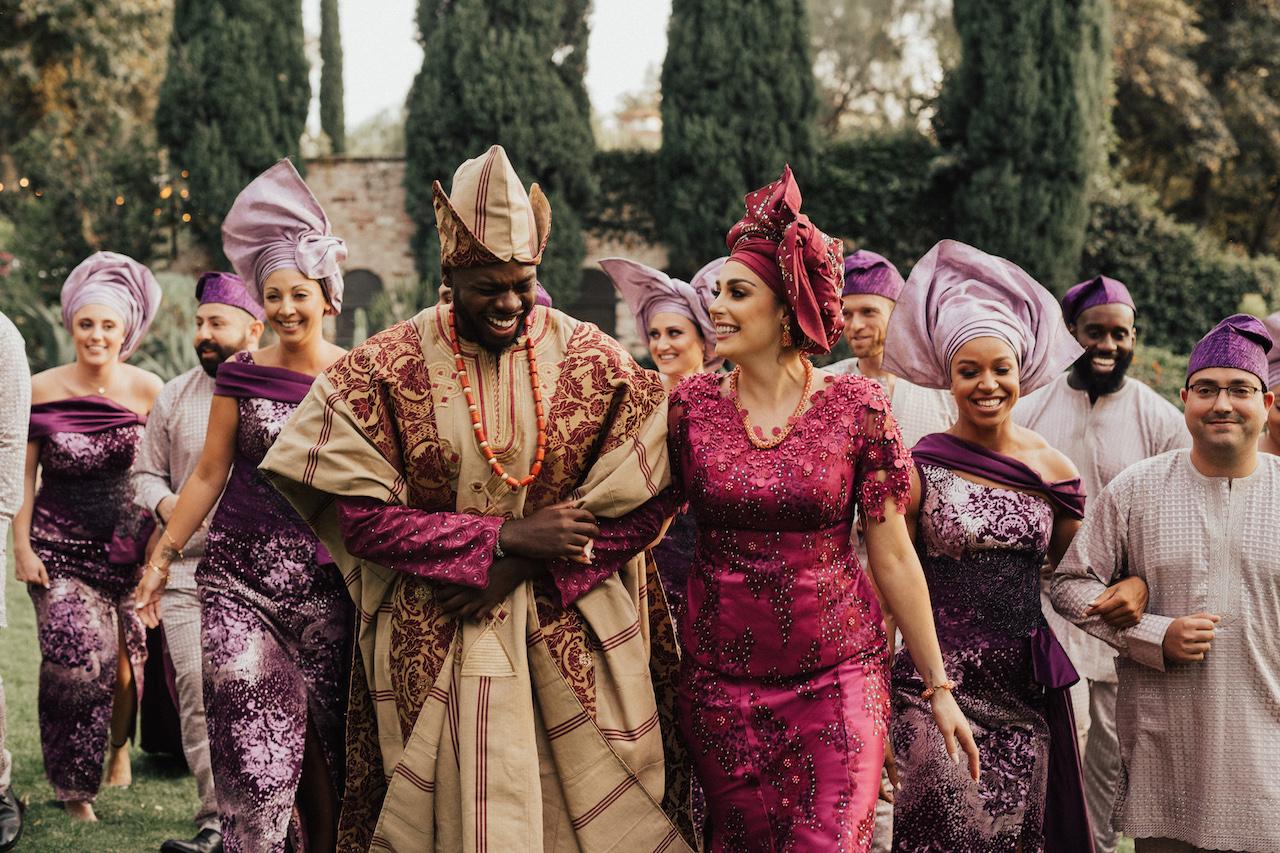
Aso-ebi (Yoruba: "family cloth") is the practice of distributing the same fabric — typically lace, ankara, or aso-oke — to close friends and family so they wear matching outfits to a celebration. The uniformity signals unity, belonging, and celebration. At a Nigerian wedding, aso-ebi creates a visual sense of community — you can see who is "with the bride" and who is "with the groom" from across the hall.
What Does Aso-Ebi Cost in 2025?
Ankara: 2,000–8,000 per yard. Six yards is standard for a women's outfit. Lace: 5,000–30,000+ per yard depending on quality. Aso-oke: 15,000–60,000 per set. For a couple distributing aso-ebi to 150 people at 10,000 per set, that is 1,500,000 before tailoring. Many couples now sell aso-ebi to guests at cost to recover this expense.
The Honest Debate
Arguments for keeping it: It creates powerful visual unity. It is a deeply cultural practice with genuine meaning. Guests who wear aso-ebi feel a sense of belonging and investment in the celebration.
Arguments against: The financial burden on guests — buying fabric plus paying a tailor — can be significant. Not everyone has the time or budget. A growing number of couples now make aso-ebi optional or reduce its scope to immediate family only.
Modern Approaches
Make aso-ebi optional for guests, mandatory only for immediate family. Choose a colour theme and let guests source their own fabric independently. Have aso-ebi for the traditional ceremony only. Sell fabric at cost to recover expense without profiting from guests.
Plan your Nigerian wedding with vendors across the country on JoyRibbons.
More Venue Photos


📷 Venue images are sourced from Google Maps / Google Images for illustrative purposes only. JoyRibbons does not own these images. All rights belong to their respective owners.
Keep Reading
Related Stories
Why Nigerian Couples Feel Awkward Asking for Wedding Gifts (And How to Get Over It)
Registries still carry a stigma in Nigeria — seen by some as greedy or un-African. Here's where that discomfort comes from, and why it's already starting to lose its grip.
Read moreCash or Physical Gifts? What Nigerian Couples Actually Prefer in 2026
Money spraying, envelope gifts, household items — Nigerian weddings have always run on a mix. Here's an honest breakdown of when each actually makes sense.
Read moreHow Much Should You Actually Spend on a Nigerian Wedding Gift?
There's no fixed rule, but there are real benchmarks. A practical, honest guide for guests trying to figure out what's appropriate.
Read more