Published June 5, 2025
Hausa-Fulani Traditional Wedding: A Complete Guide to Kamu and Fatiha
A Hausa-Fulani wedding is a multi-day celebration shaped by Islamic tradition, northern Nigerian culture, and the specific customs of the family's state or community. Understanding the distinct events — the Fatiha, the Kamu, the Wuni — helps both guests and couples prepare properly.
The Fatiha (Islamic Marriage Blessing)
The Fatiha is the Islamic marriage ceremony — the reading of the opening chapter of the Quran in the presence of a Muslim cleric (Imam), the bride's father or guardian (wali), and the groom. Two male witnesses are required. The bride does not need to be present — her wali speaks on her behalf after confirming her consent. The Fatiha is the legally and religiously binding part of the marriage in Islamic tradition.
The Kamu
The Kamu is a ceremonial event held typically the night before the Fatiha, primarily for women. The bride is beautifully dressed and adorned with henna (lalle), and her female friends and relatives gather to celebrate, sing, and prepare her for marriage. The bride often sits centrally, elaborately dressed, while women dance and perform songs around her.
The Wuni (Bride's Send-Off)
The Wuni is the formal send-off of the bride from her family home to the groom's home. It is an emotional ceremony with prayers, blessings from elders, and the formal handover of the bride. Female relatives accompany her in a procession, singing and dancing. The groom's family receives them with food, drinks, and celebration.
Bride Price and Sadaki
In Islamic marriage, the sadaki (mahr) is a mandatory gift from the groom directly to the bride — not her family. It belongs to the bride alone. Separately, gifts to the bride's family (lefe) — fabrics, kola nuts, perfumes, and cash — are also part of the pre-wedding exchange.
What to Wear
The bride typically wears elaborate embroidered fabric in rich colours — deep green, royal blue, burgundy, or gold — with heavy jewellery and an intricately tied headscarf. Henna patterns on hands and feet are almost universal. The groom wears a babariga or well-embroidered agbada with a turban or kofia. Alcohol is not served at most Hausa-Fulani weddings in keeping with Islamic tradition.
Find wedding venues for your traditional wedding in the North on JoyRibbons.
More Venue Photos

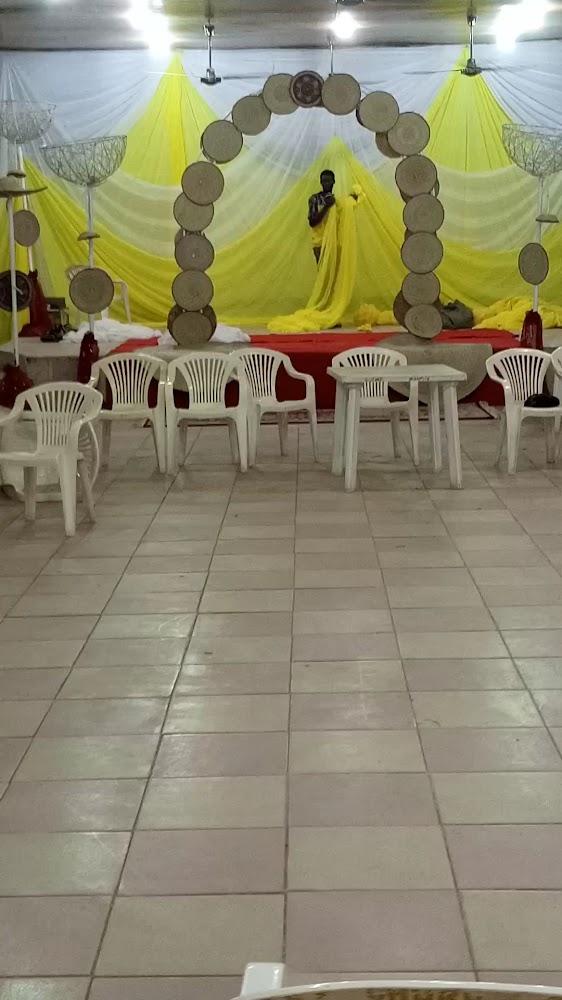
📷 Venue images are sourced from Google Maps / Google Images for illustrative purposes only. JoyRibbons does not own these images. All rights belong to their respective owners.
Keep Reading
Related Stories
Why Nigerian Couples Feel Awkward Asking for Wedding Gifts (And How to Get Over It)
Registries still carry a stigma in Nigeria — seen by some as greedy or un-African. Here's where that discomfort comes from, and why it's already starting to lose its grip.
Read moreCash or Physical Gifts? What Nigerian Couples Actually Prefer in 2026
Money spraying, envelope gifts, household items — Nigerian weddings have always run on a mix. Here's an honest breakdown of when each actually makes sense.
Read moreHow Much Should You Actually Spend on a Nigerian Wedding Gift?
There's no fixed rule, but there are real benchmarks. A practical, honest guide for guests trying to figure out what's appropriate.
Read more