Published June 2026
Reading a Wedding Vendor Contract: What to Actually Look For
You've found the photographer, decorator, or caterer you want. They send a contract or a WhatsApp message with terms. It's tempting to skim it, pay the deposit, and move on to the next vendor on your list. Most wedding vendor disputes — the ones that end in tears, lost deposits, or a no-show on the day — trace back to exactly this moment: terms that were never actually read or clarified.
If there's no written contract at all, that's the first red flag
A vendor unwilling to put terms in writing — even a simple WhatsApp message confirming date, price, deliverables, and payment schedule — is a meaningfully bigger risk than one who does. This doesn't mean every undocumented vendor is dishonest, but a written record, however informal, is the difference between a disagreement you can resolve and one you simply have to absorb.
The five things worth confirming explicitly
The exact deliverable. "Photography coverage" means very different things depending on hours, number of photographers, and whether edited photos are included and when. Get the specifics in writing, not just the headline service.
The payment schedule. What's due now, what's due before the event, and what (if anything) is due after. A vendor asking for the full amount far in advance, with no milestone structure, is worth a direct conversation before you commit.
The cancellation and refund terms. What happens if you need to postpone or cancel? What happens if the vendor cancels on you? Non-refundable deposits are extremely common in this industry and aren't automatically a red flag — but you should know the number before you pay it, not after something goes wrong.
What happens if the vendor can't deliver. Illness, double-booking, equipment failure — ask directly what their backup plan is. A vendor with a thoughtful answer here is generally more trustworthy than one who waves the question away.
Who's actually showing up. Particularly for photography and entertainment, confirm whether the specific person you've met and liked is who will actually be there, or whether you might get a substitute from their team.
A reasonable deposit, and what's worth questioning
There's no universal rule for what counts as a "normal" deposit, but a request for the full amount upfront, with no service rendered and no milestone structure, is worth more scrutiny than a partial deposit with the balance due closer to or on the day. If a vendor is pushing hard for full payment immediately and resisting a written agreement, slow down rather than rushing to secure the date.
It's okay to ask, even if it feels awkward
Many couples worry that asking detailed questions about contracts and refund terms will seem distrustful or transactional, especially with a vendor who's been warm and friendly throughout. In practice, a professional vendor expects these questions and will answer them clearly. Hesitation or vagueness in response to reasonable questions is itself useful information.
Keep Reading
Related Stories
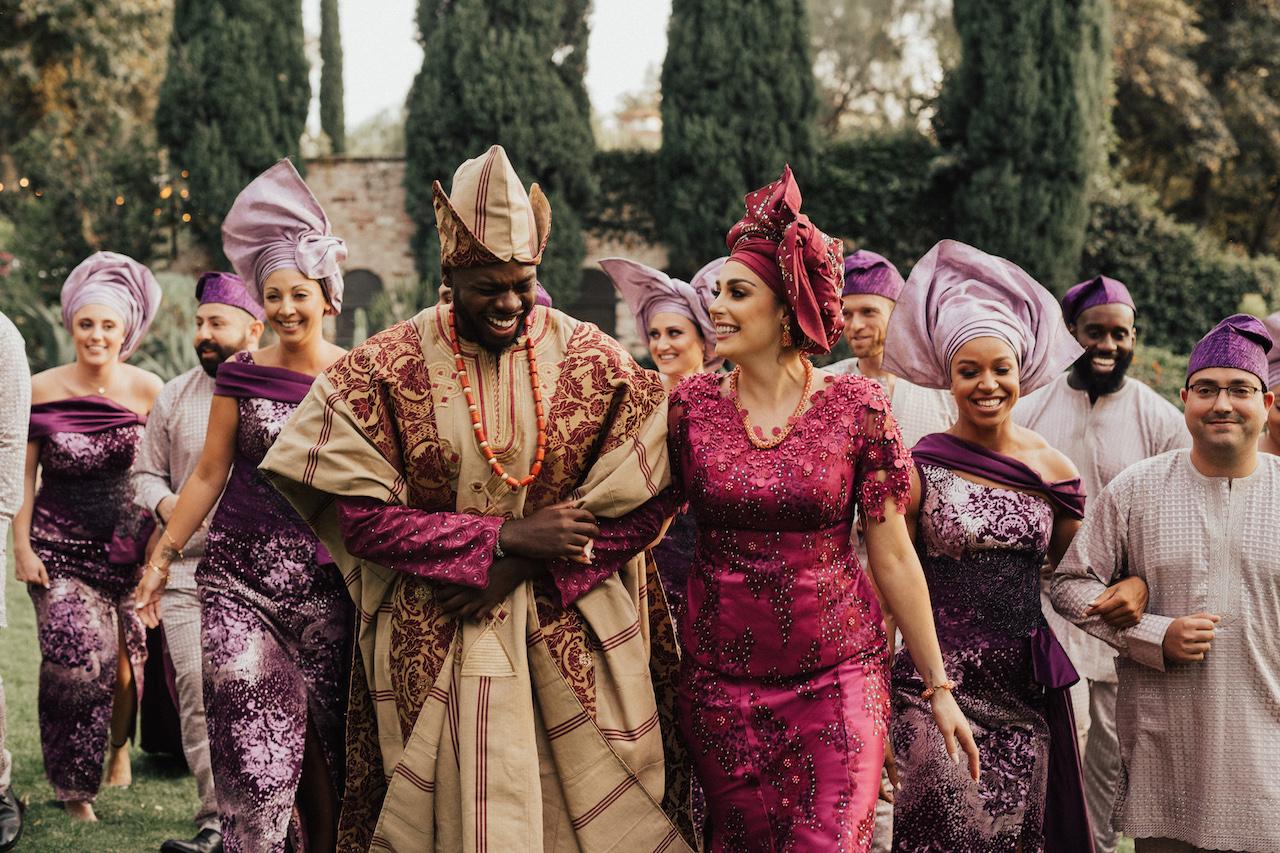
Should You Hire a Lawyer for Your Nigerian Wedding Vendor Contracts? Here's When It's Worth It
For most vendor bookings, a careful read is enough. For a few specific situations, legal review genuinely earns its cost. Here's how to tell the difference.
Read moreDoes Wedding Insurance Exist in Nigeria? Here's the Honest Answer
Wedding insurance is a well-established product in the US and UK. In Nigeria, it's not — here's what that actually means for protecting your investment.
Read moreWhy Your Vendor Quote in Naira Can Change Before the Wedding — And How to Plan Around It
A quote you got six months ago may not hold today. Here's why naira-denominated wedding budgets are uniquely vulnerable to currency moves, and how to plan for it.
Read more