Published June 2026
Garden Weddings in Nigeria: What the Aesthetic Actually Looks Like Beyond the Pinterest Board
The garden wedding aesthetic has carved out a genuinely distinct identity in Nigerian wedding culture — softer, more natural, and built around the venue's existing greenery rather than fighting against it with heavy indoor décor. Here's what actually defines the look, beyond the Pinterest board version of it.
The materials that define it
Pampas grass has become close to a signature element of the modern Nigerian garden and outdoor wedding aesthetic — tall, textured, and soft enough to complement rather than compete with the natural setting. Paired with earth tones — warm neutrals, soft browns, muted greens — and used alongside the venue's existing plant life rather than imported floral arrangements, the overall effect leans toward understated luxury rather than maximalist décor.
Where this aesthetic tends to live in Nigeria
Lagos in particular has a real concentration of venues built specifically around this look — dedicated garden centres and recreation parks, waterfront and beachfront properties that lean into natural light and open-air settings, and urban green spaces that have become popular precisely because they offer a genuine outdoor feel within the city. The aesthetic isn't limited to a single venue type, though — it shows up at beach houses, garden centres, and even private island settings, unified more by the natural-materials, soft-palette approach than by any one specific location.
What to actually weigh before choosing it
A garden or outdoor aesthetic genuinely depends on factors a fully indoor wedding doesn't have to think about as carefully: weather contingency (Nigeria's rainy seasons make a covered backup plan close to essential, not optional, for any outdoor element), time of day (the natural-light quality this aesthetic is built around is at its best during specific windows, meaning ceremony timing matters more than it would in a fully controlled indoor venue), and guest comfort at scale (a large guest list in direct sun or humidity is a genuinely different planning challenge than the same guest list in an air-conditioned hall).
Why it's resonated as strongly as it has
Part of the appeal is straightforwardly visual — natural light and greenery photograph beautifully with minimal additional styling required, which matters in an era where a wedding's media life extends well beyond the people physically in attendance. But there's also a genuine aesthetic shift underneath it: a move toward softer, more understated luxury as one real current running alongside the bolder, more maximalist owambe trend. Both aesthetics are genuinely popular in Nigeria right now — they're just answering a different question about what a couple wants their wedding to feel like.
Keep Reading
Related Stories
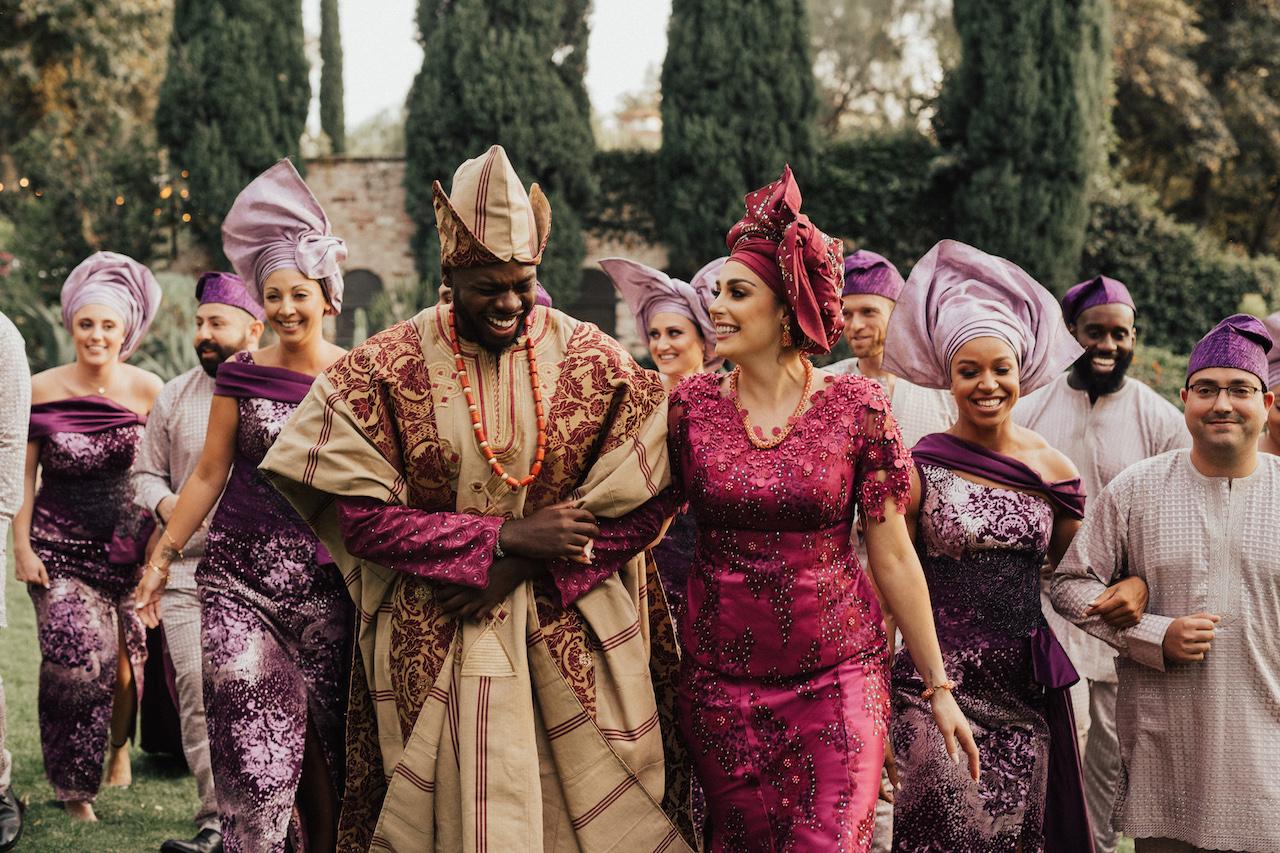
Owambe Culture Is Changing, Whether or Not Anyone Wants to Admit It
Bold colours, choreographed bridal train entrances, multiple outfit changes, full-on reception productions — Nigerian wedding receptions in 2025-2026 have visibly shifted in tone. Here's what's actually different.
Read moreThe Gele Is Having a Moment — A Style Guide to What's Actually Trending
From structured architectural shapes to softer draped styles, the gele has evolved well beyond a single traditional silhouette. Here's an honest guide to what's actually being worn.
Read moreEco-Conscious Weddings Are Trending in Nigeria — How Much of It Is Real?
Sustainable decor and eco-conscious weddings are showing up in Nigerian wedding trend coverage. An honest look at what that actually means in practice, versus what's aspirational language.
Read more