Published June 2026
The Engagement Ring Wasn't Always About Love — Here's What It Actually Meant
The modern engagement ring is sold almost entirely on romance — the surprise, the sparkle, the moment. The actual origin of the custom, traced back roughly 2,200 years to ancient Rome, was considerably less sentimental: it began as a legal instrument, not a love token.
A contract, not a proposal
By around the second century BCE, Roman custom had a man proposing marriage give two rings — one iron, one gold. Historians generally agree these rings represented a legal claim and a business arrangement between families more than a personal romantic gesture; the iron ring in particular symbolised strength and permanence of the contractual bond rather than affection. The gold ring was worn publicly as a display of wealth, while the iron one was kept for everyday wear at home.
Where "the ring finger" actually comes from
The specific custom of wearing the ring on the fourth finger of the left hand also traces to Rome, rooted in the belief in a "vena amoris" — a vein supposedly running directly from that finger to the heart. It's now well understood that no such direct vein exists, but the tradition outlived the (incorrect) anatomical belief that originally justified it, and persists globally today regardless.
The diamond is a much later, and much more commercial, addition
Diamond engagement rings existed in isolated historical instances — a famous 1477 example was given by Archduke Maximilian of Austria to Mary of Burgundy — but they were rare and reserved for nobility for centuries afterward. The idea that a diamond ring is simply "what an engagement ring is" is a far more recent, and far more commercially manufactured, development than most people assume, shaped heavily by 20th-century marketing rather than ancient tradition.
Why this history is worth knowing
None of this is meant to take anything away from the modern meaning of an engagement ring — symbols genuinely can, and do, take on new and sincere meaning over time, regardless of how they started. But it's a useful reminder, especially for couples feeling pressure around ring cost or style, that the "tradition" being invoked is considerably younger, more commercial, and less universally fixed than it's often presented as. There's no ancient, unbroken rule being honoured or broken by choosing a different stone, a family heirloom, or skipping the ring tradition altogether — the ring's meaning has already changed dramatically more than once across its long, genuinely non-romantic history.
Keep Reading
Related Stories
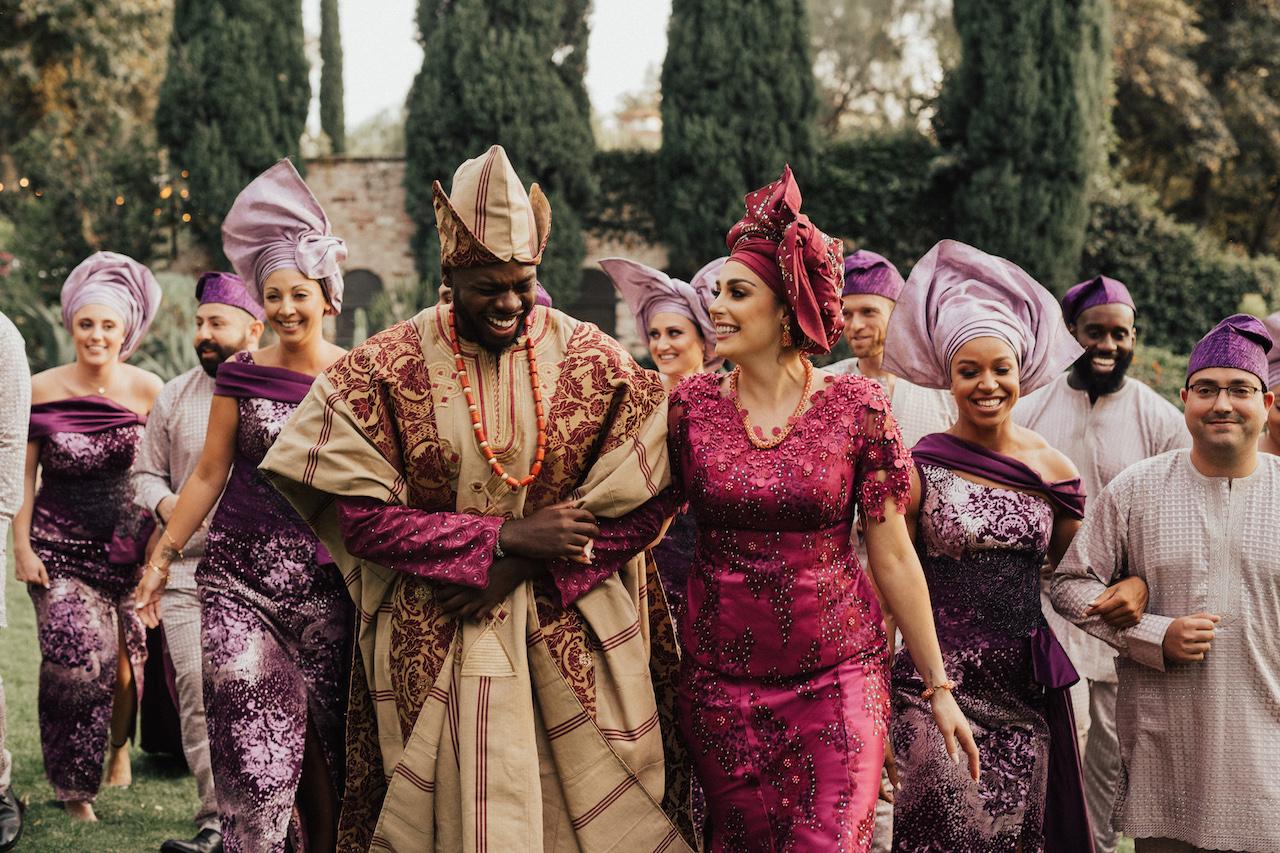
The Real History of Money Spraying — And Why It's Technically Illegal
Money spraying dates back over a century to Yoruba praise-singing traditions. It's also, on paper, against Central Bank of Nigeria regulations. Here's the full, slightly contradictory story.
Read moreWhy Western Brides Wear White: The Real History (It's Not What You Think)
The white wedding dress isn't ancient — it's barely 185 years old, and it didn't start as a symbol of purity. Here's the real story, and why it matters for African weddings specifically.
Read moreWhy Igbo Hospitality Starts With a Kola Nut — Not Food or Drink
In Igboland, the kola nut isn't just a snack offered to guests — it's a ritual object with its own language, prayers, and rules. Here's what it actually means.
Read more