Published June 2026
Are Nigerian Wedding Costs Actually Rising, or Does It Just Feel That Way?
Ask any Nigerian who's planned a wedding in the last few years whether costs have gone up, and the answer is an immediate, emphatic yes. The more interesting and honestly harder question is what's actually driving that — genuine currency-driven inflation, or a less-discussed shift in what a wedding is now expected to include in the first place. Both are real, and untangling them matters for how couples should actually think about their own budget.
The part that's genuinely about currency, not expectations
The naira has experienced real, sustained volatility against major currencies, and for vendors whose costs are partly dollar-denominated — imported fabric, equipment, certain food and drink items — that depreciation translates directly into higher naira prices, independent of anything about changing taste or expectation. This part of the cost increase isn't really about weddings becoming more elaborate; it's straightforward currency math showing up in every quote.
The part that's genuinely about a moved bar
Separately, and worth being honest about, what counts as a "normal" or "complete" wedding has visibly expanded: a content creator alongside the photographer and videographer, drone footage, professionally produced choreographed entrances, multiple outfit changes, livestreaming infrastructure for diaspora guests, an elaborate pre-wedding shoot treated as close to mandatory. None of these existed as standard expectations a decade ago. Each one, individually, is a real, optional addition — but stacked together, they represent a genuinely higher baseline "complete" wedding package than what was considered complete previously, separate from any currency effect.
Why this distinction actually matters for your budget
If the cost increase you're feeling is purely currency-driven, there's relatively little a couple can do beyond budgeting buffer and smart timing of payments. But if a meaningful share of the increase is actually about an expanded definition of what's "expected" — content creator, drone, elaborate pre-wedding production, multiple outfit changes — that's a genuinely different kind of cost, and one a couple has real agency over. Opting out of any of these specific additions isn't a compromise on having a "real" wedding; it's opting out of a relatively recent expectation that simply wasn't part of the baseline a few years ago.
Our honest take
Wedding costs in Nigeria probably have genuinely risen on a pure like-for-like basis, given currency pressure alone. But a meaningful chunk of what feels like rising costs is actually the bar for "enough" quietly moving upward, vendor category by vendor category, largely driven by what's visible and expected on social media rather than by any objective standard of a complete wedding. Separating those two things — what's genuinely unavoidable currency pressure, and what's an optional, recently-added expectation — is probably the single most useful thing a budget-conscious couple can do before finalising their vendor list.
Keep Reading
Related Stories
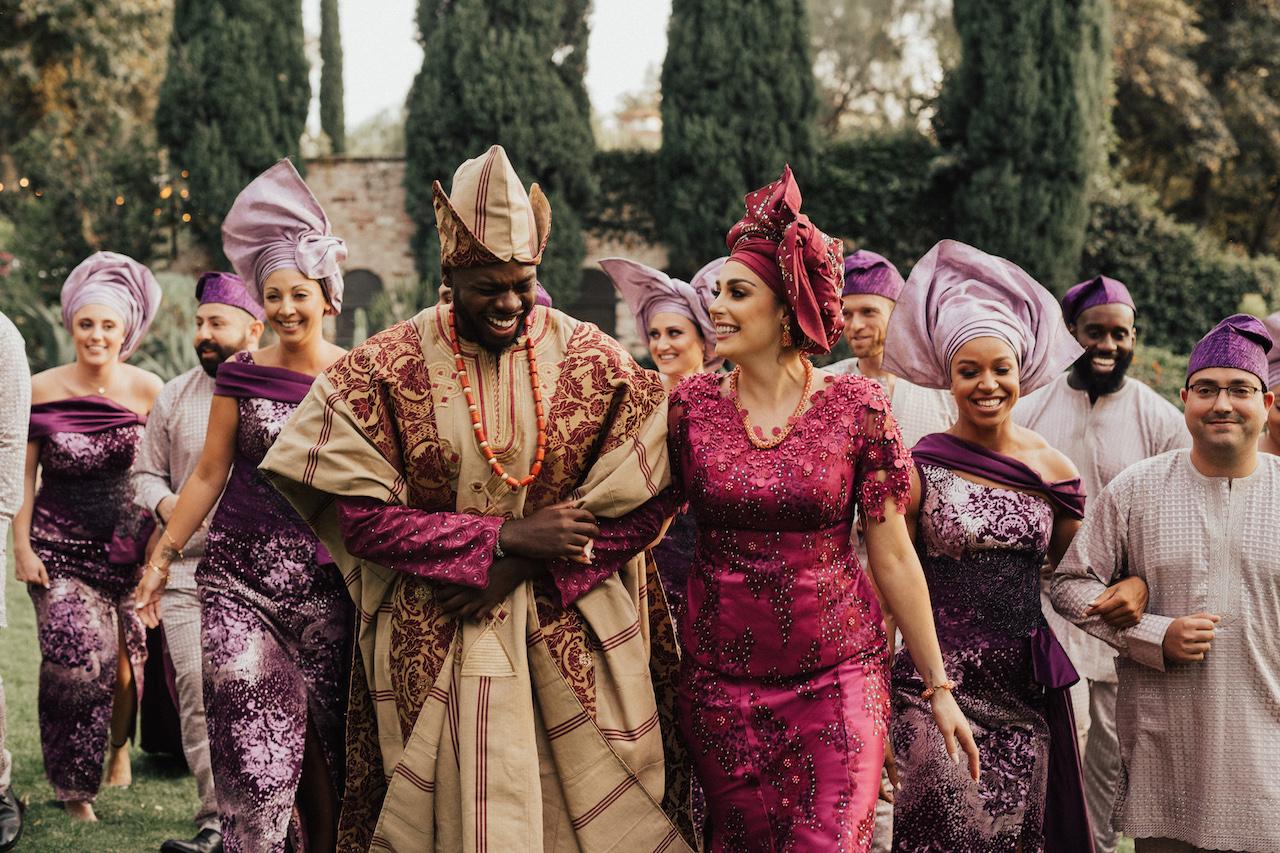
The "Micro-Wedding" Trend Doesn't Really Work for Nigerian Couples — Here's Why
International wedding trend reports keep predicting smaller, more intimate weddings for 2026. For most Nigerian couples, that's not really an option — and that's worth being honest about.
Read moreShould You Let AI Write Your Wedding Vows? Here's an Honest Answer
54% of engaged couples now use AI somewhere in their wedding planning. Vow-writing is one of the most common — and most debated — uses. Here's where it genuinely helps and where it doesn't.
Read moreDigital Wedding Invitations Are Winning in Nigeria — And the Reason Isn't Just Cost
Printed Nigerian wedding cards can cost ₦100,000 or more. That's part of why digital invitations are spreading fast — but it's not the whole story.
Read more