Published June 2026
Bride Price Across Africa: What's Actually Expected, Country by Country
Bride price — sometimes called bridewealth, dowry, or lobola depending on the culture — is one of the most widely practiced wedding customs across the African continent, and also one of the most widely misunderstood by outsiders. It isn't a single tradition; it takes genuinely different forms, meanings, and levels of formality depending on where you are. Here's an honest side-by-side, without collapsing distinct customs into one generic idea.
Nigeria: varies sharply by ethnic group
In Yoruba culture, bride price is negotiated as part of a broader engagement list that can include items like bitter kola, alongside cash — and the amount is generally understood as symbolic rather than commercially significant. Igbo and Hausa customs each carry their own distinct lists and expectations, meaning "Nigerian bride price" isn't really one thing either — it depends heavily on which of Nigeria's many ethnic traditions a family follows.
South Africa: lobola, paid in cattle or cash equivalent
Among the Zulu and Xhosa, lobola traditionally involves cattle, with the number reflecting factors like the bride's education and social standing — though modern negotiations frequently settle on a cash equivalent instead of literal livestock. Lobola negotiations are formal, conducted by appointed family representatives, and can take place across multiple meetings before agreement is reached.
Kenya: differs by community, often paid in stages
As covered in our Kenya wedding traditions guide, dowry composition varies by community — Kikuyu negotiations may include livestock and money, Luo dowry is presented specifically to maternal uncles, and Maasai dowry centres heavily on cattle as the primary marker of value. Across most Kenyan communities, dowry tends to be paid in instalments across several family visits rather than settled in one transaction.
Ghana: bride price as the legally decisive element
In Akan custom specifically, bride price occupies a notable position — it's described as the one element that, on its own, can make a marriage valid under customary law, regardless of whether every other ceremonial step is followed. It can include cash, gold, or livestock depending on the family, and is generally framed as symbolic of commitment rather than a literal transaction.
The common thread, and the real differences
Across all of these traditions, bride price is consistently framed by the communities themselves as an act of respect and family bonding rather than a commercial purchase — though it's worth being honest that this framing is also genuinely contested within these same societies, with real, ongoing public debate in Nigeria, Ghana, and South Africa about the financial burden bride price can place on couples and families. What's true everywhere is that the specifics — what's given, to whom, in what form, over how many stages — vary enough between cultures that no single description does justice to all of them. If you're navigating this for your own wedding, the right move is always to ask your specific family and community what's actually expected, rather than relying on a generic continental overview, including this one.
Keep Reading
Related Stories
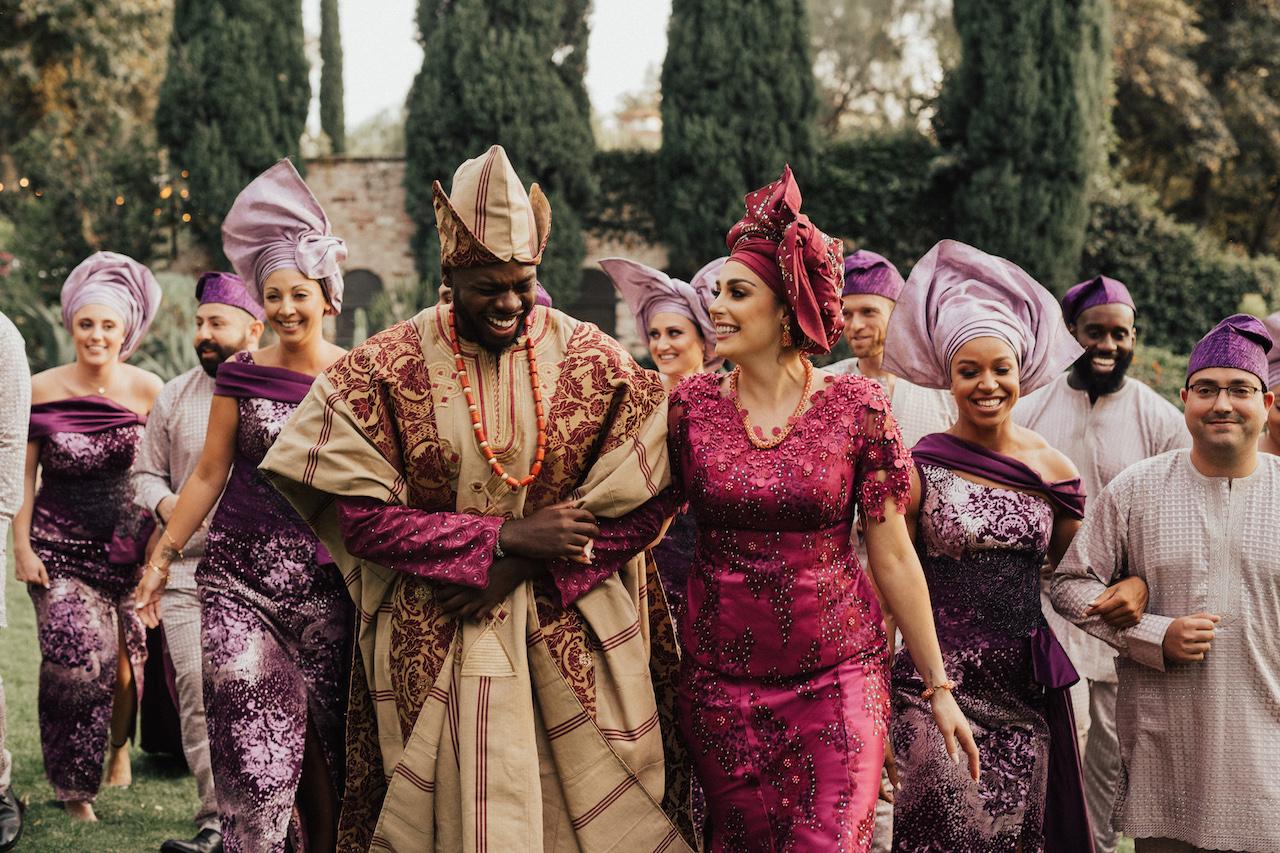
Kenya's Weddings Aren't One Tradition — They're Dozens. Here's a Guide to the Major Ones
There's no single "Kenyan wedding." With over 40 distinct communities, the Kikuyu ngurario, Luo dowry customs, and Maasai ceremonies are each their own tradition.
Read moreLobola, Umembeso, Umabo: Understanding a Zulu Wedding's Three Stages
A Zulu marriage typically moves through three distinct stages before it's considered complete. Here's what each one means, in order.
Read moreYoruba, Igbo, or Hausa-Fulani? How Nigeria's Three Largest Traditional Weddings Actually Differ
Idana, Igba Nkwu, and Kamu/Fatiha are three genuinely distinct traditions, not regional variations on one Nigerian wedding. Here's how they compare, side by side.
Read more