Published June 2026
Nigeria's Wedding Industry Is Now Worth Over ₦250 Billion — What That Actually Means
It's easy to think of a wedding as a private, personal event — two families, a celebration, a single day. At a national scale, Nigerian weddings have become something closer to a genuine industry, reportedly valued at over ₦250 billion according to recent industry reporting, employing thousands of people across fashion, media, hospitality, and event planning. That number is worth sitting with, because it changes how a few things about wedding planning should actually be understood.
It's not just venues and caterers anymore
The ecosystem behind that figure spans far more categories than the obvious ones — fabric and bridal design houses, photography and videography studios, the newer wedding content creator category, event planners, decor and floral businesses, makeup artists, and increasingly, digital platforms and tech tools built specifically around wedding logistics. A modern Nigerian wedding genuinely touches dozens of small businesses, not just the handful of vendors a couple directly interacts with.
Why this matters for how couples should think about spending
When an industry reaches this scale, it also professionalises — meaning genuine competition, more specialisation, and more vendors competing for a couple's business than existed a decade ago. That's broadly good news for couples: more choice, more price points, more vendors with real reputations and portfolios to evaluate, rather than relying purely on word of mouth.
It also means weddings are now a genuine export and cultural product, not just a private event
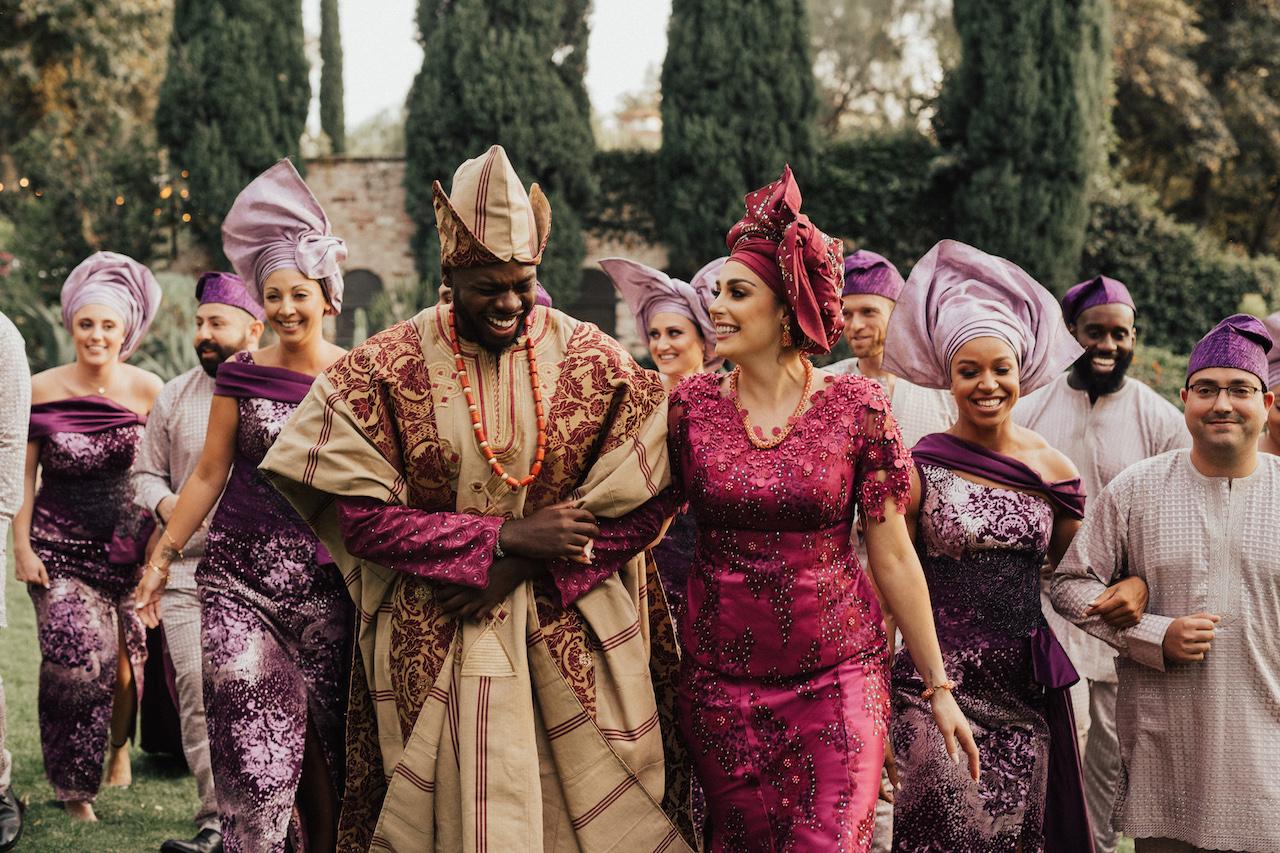
Nigerian wedding content — hashtags, viral reception moments, distinctive aso-ebi and fashion — now reaches well beyond the guest list, circulating globally on platforms like Instagram and TikTok in a way that's become its own form of cultural visibility for Nigeria, separate from but related to the country's broader entertainment exports. Couples planning a wedding today are, whether they intend to or not, participating in something with real reach beyond their own guest list.
The honest tension worth naming
An industry this large, this professionalised, and this visible online creates real upward pressure on what a wedding is expected to look like — when the most visible weddings online are also the most extravagant ones, "ordinary" can start to feel inadequate by comparison, even though the vast majority of actual Nigerian weddings look nothing like the viral ones. It's worth remembering, amid all the scale and professionalisation, that the size of the industry says something about Nigeria's creative economy — it doesn't say anything about what your own wedding needs to look like to be meaningful.
Keep Reading
Related Stories
The "Micro-Wedding" Trend Doesn't Really Work for Nigerian Couples — Here's Why
International wedding trend reports keep predicting smaller, more intimate weddings for 2026. For most Nigerian couples, that's not really an option — and that's worth being honest about.
Read moreShould You Let AI Write Your Wedding Vows? Here's an Honest Answer
54% of engaged couples now use AI somewhere in their wedding planning. Vow-writing is one of the most common — and most debated — uses. Here's where it genuinely helps and where it doesn't.
Read moreDigital Wedding Invitations Are Winning in Nigeria — And the Reason Isn't Just Cost
Printed Nigerian wedding cards can cost ₦100,000 or more. That's part of why digital invitations are spreading fast — but it's not the whole story.
Read more